Why a digitally accessible organization starts with PDFs
Digital accessibility affects the entire organization and is therefore primarily an organizational issue. But how do you approach something this big? Tackling the flow of inaccessible PDFs is a good starting point. Corinne van den Heuvel is associated with Swink as a consultant on digital accessibility. She tells how she implements such projects at large government organizations.
The PDF issue as a basis for digital accessibility
Within all (government) organizations many PDF documents are created and used. Often these are not accessible. Changing this is one of the biggest challenges in becoming digitally accessible as an organization. “The PDF issue touches a lot around securing digital accessibility in the organization. After all, in your accessibility statement, you have to explain what measures you take regarding inaccessible PDFs and what the status is. Then you cannot avoid naming and including the corporate identity, processes, policies and other related issues,” says Corinne.
So by getting started with the PDF issue, you are making a good start on digital accessibility. But how do you go about this? “It starts with making sure the right people are at the table. Then we start looking at what the ambition level of the organization is. For example, are we going for html first, an accessible or as good a PDF as possible or no more PDFs at all? How soon does the organization want A status? A difficult process and sometimes not set in stone. But necessary to have a starting position. From there we go to work.”
Who do you involve in the process toward accessibility?
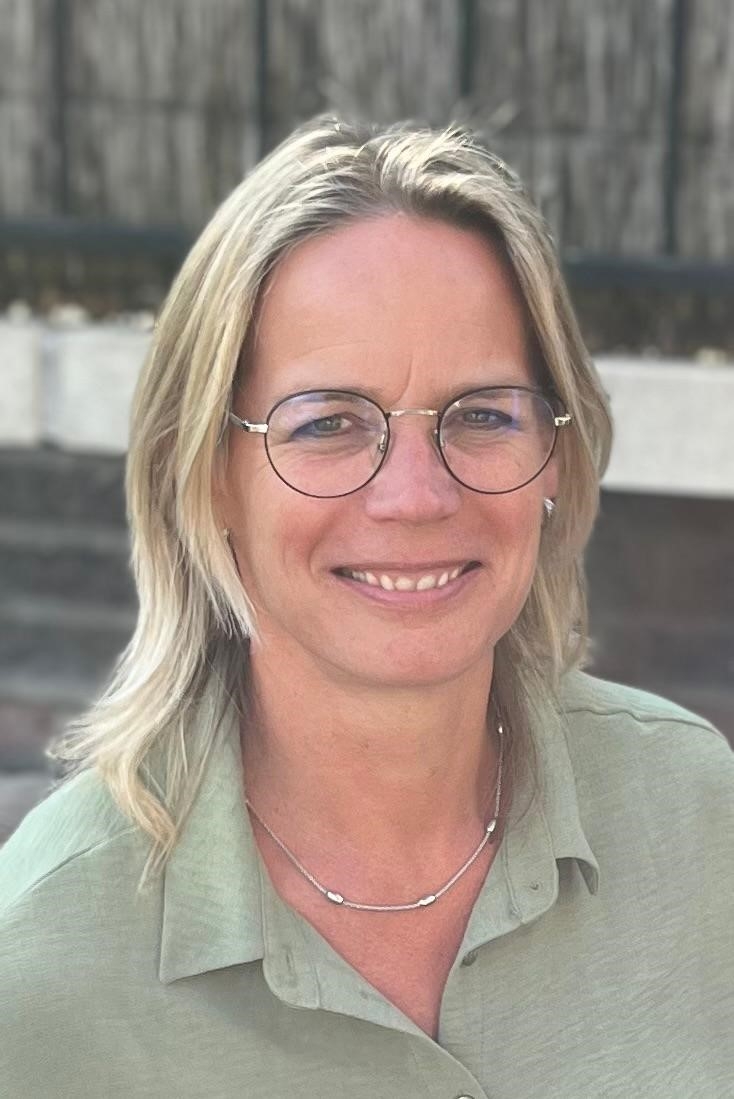
In such a process, it is important to have someone in charge. Someone who can make decisions and understands why accessibility is important. “It helps a lot to put a project leader on the project for this. Even better is to have a digital accessibility advisor within the organization. In smaller organization this can be a part-time position, in larger organizations we recommend a full-time position. In fact, digital accessibility is a long-term process that you have to be involved with on a daily basis. If the right people are involved, you can get them to gain more and more knowledge during the process, so they can go on to promote it internally.”
Define your goal and take it one step at a time
The level of ambition is important, but it can be difficult to determine that if there is not yet enough knowledge. Corinne: “Still, it is important to discuss this. Sometimes organizations want too much or just want to keep publishing PDFs. That's why you have to determine together which possibilities there are. During these discussions I also tell them that the first thing they have to do is to stop the creation of new inaccessible PDFs. Otherwise, it's like running the faucet.”
The next step is to actually deal with the issue. “You start by looking at the flow of PDFs. In government organizations, the Open Government Act (WOO) is a possible hook to determine what documents and associated systems exist. Then you can work back to what processes are associated with them. You always have some kind of bulk process that you can pick up first.”
It all sounds big and complicated and organizations face different challenges. That's why Corinne recommends breaking down the process into small steps. “You're not going to solve this all at once. So apply focus and determine what you want to tackle. Often that has a team attached to it or there are enthusiastic people you can get involved or enlist outside assistance. My role is mostly in this part, which is how you're going to tackle it. Together we make a plan of action for all these steps. Once that is approved, we move on to the next step.”
There is no one size fits all
What the approach to digital accessibility looks like varies from organization to organization. Read, for example, how Province of South Holland and Province of North Brabant have implemented it. If you focus on PDFs, for example, you can look at templates used for this purpose. “You often also have to look at the corporate identity when those templates don't suffice. Then you start involving the communications department. Once that is inventoried, the question often comes up: how should it be done differently and what should we change? That takes a lot of time, because then you're talking about internal awareness and training and coaching people. You may have to start having discussions with suppliers because of systems that generate PDFs. Seek each other out in this, because it's better to have such a conversation together with a number of municipalities or provinces.”
Another possibility is that as an organization you focus on a smaller process and have everything you need to publish made accessible. “For example, by an agency or specialists who are trained internally. So for each flow of PDFs within the organization, a different choice can be made.”
Dealing with inaccessible PDFs is still a challenge nationwide. “After all, we don't just stop that flow of PDFs and we don't always have to, as long as they are accessible. You notice that steps are being taken now, but the solution is not there yet. This is another reason why digital accessibility is an ongoing process with no end date. Whether it is awareness, internal embedding or PDFs; digital accessibility needs constant attention. Only in this way as an organization can you really be there for everyone.”