Developments in the world of accessibility: a travelogue
At conferences both at home and abroad, all kinds of news and developments related to digital accessibility are shared. Our colleague Ralph attended several of these conferences abroad and shares his experiences.
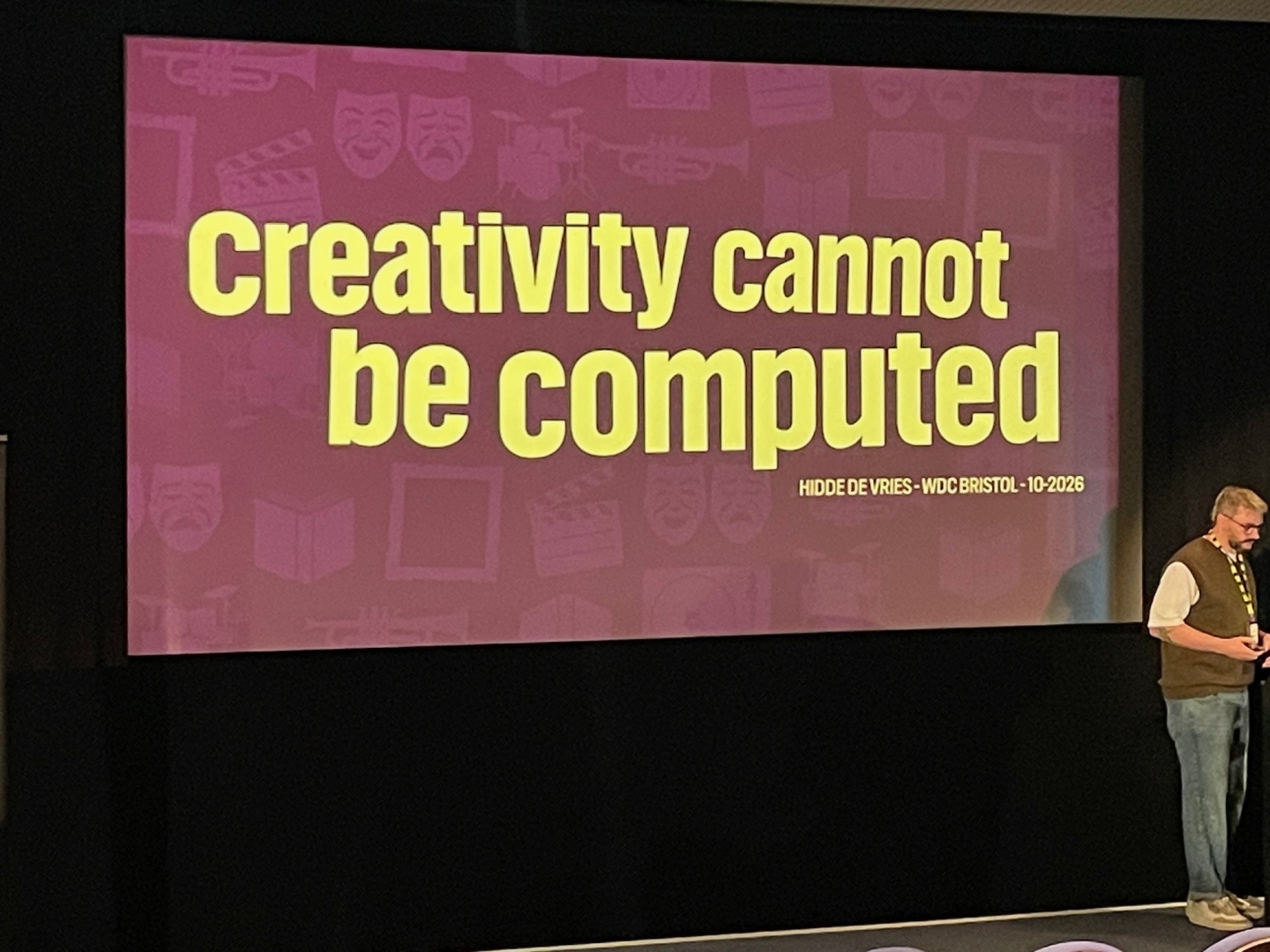
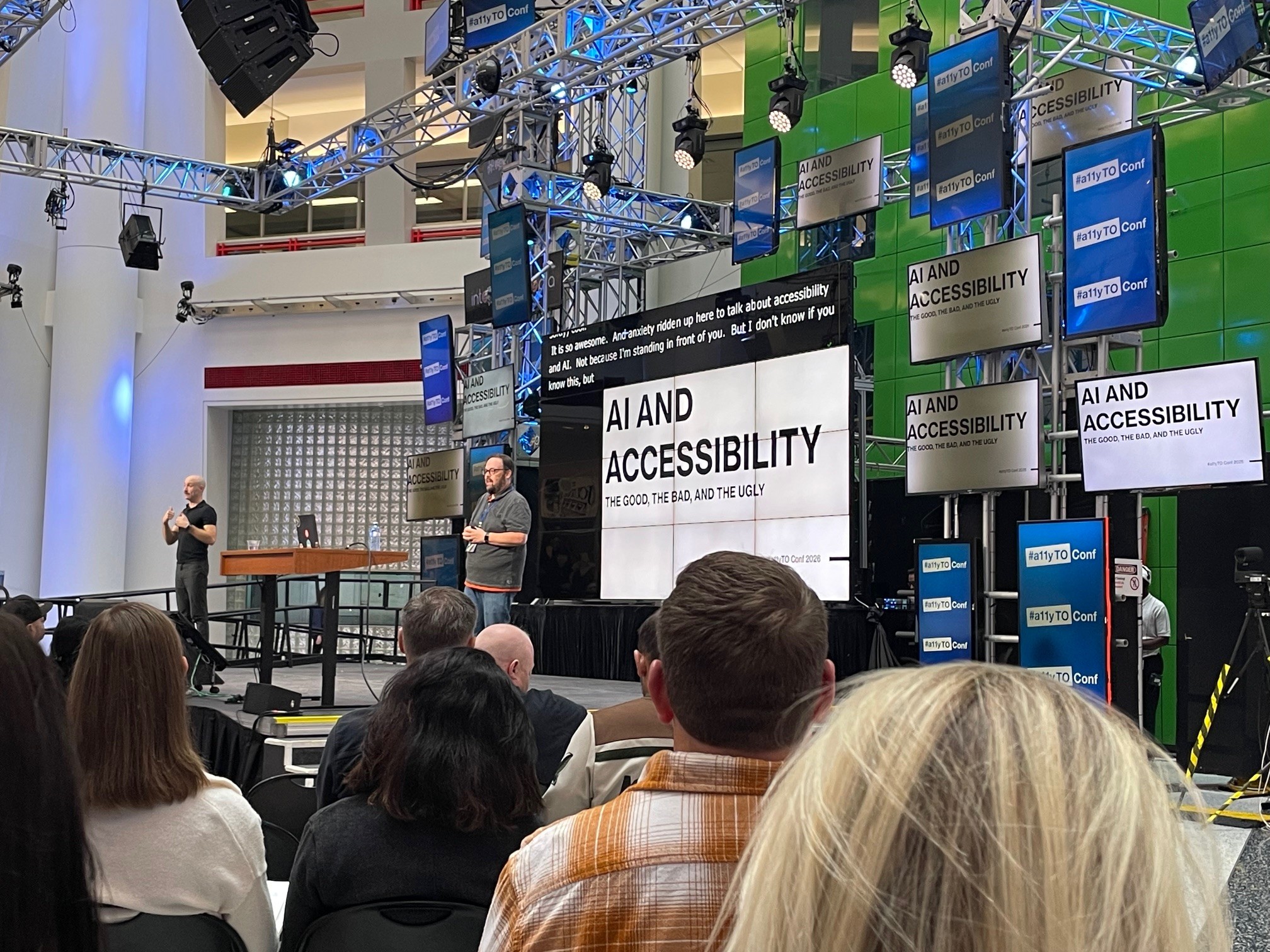
“With the introduction of the EAA, the accessibility market in Europe is beginning to grow. I’d like to know what’s happening and what we can learn from it. What are companies doing to improve accessibility? What’s happening in the field of user testing and at testing agencies, such as Swink? What tools are available for accessibility research?” With these questions and more in mind, Ralph attended the Web Dev Conf conference in Bristol and the #a11yTO conference in Toronto. What stood out to him most? Accessibility and usability are becoming increasingly intertwined. Usability and user testing can help organizations implement accessibility in a systematic and practical way.
Accessibility and usability for better forms
In Toronto, an accessibility expert from Florida gave another example of how accessibility and usability go hand in hand. “He’s working on implementing accessibility in car dashboards. He focuses on assistive features to make it easier to park, change lanes, and so on. His starting point was that people are getting older, and in the U.S. there isn’t good public transportation, so you want to keep driving yourself for as long as possible. But many of those modern systems are designed with young, alert people in mind. Older people really don’t want to deal with beeping sounds, flashing lights, and long warning messages while driving down the road at 100 km per hour. I had never thought about those kinds of things in the context of accessibility. It’s also an example of making things usable for everyone and not excluding certain groups. A real eye-opener.”
New tools and developments in automated testing
Ralph also noticed that a lot is happening in the field of automated testing. “IBM has created its own documentation over the past few years. In addition to the automated test rules, the text is written in a way that’s very accessible to everyone. So you don’t really need any HTML knowledge to understand a failure, who it’s intended for, how to fix it, and who it affects. They also have a lot of best practices, so the line between pure accessibility and usability is blurring a bit. I think there’s a tremendous amount to be gained there. It shows customers even more clearly that by improving their site this way, they’re not only making it better for people with disabilities, but for everyone.”
Convincing organizations with efficiency
The conference also gave Ralph insight into the importance of accessibility for business processes. “If a developer has to perform an accessibility check on something they’re building, that takes away from the number of hours they have to deliver anything at all. We see that much less often. There’s a lot of pressure to get things done, and accessibility is part of that. So if you’re on a team like that and you’re responsible for accessibility, you need to be persuasive enough to get everyone on board to do this. I think we need to encourage people to think beyond EAA compliance just because they have to, but rather to embrace EAA compliance because they want to. Companies will want to address accessibility as cost-effectively as possible. So if you can combine accessibility and usability testing, they’d achieve compliance more efficiently.”